Article: Harness vs Collar Dogs: Which Is Better?
Harness vs Collar Dogs: Which Is Better?
The difference between a peaceful walk and a tug-of-war often comes down to one simple choice: harness vs collar dogs. If your pup pulls when excited, slips backward when startled, or seems uncomfortable in certain gear, the right fit matters more than most dog parents realize. And because walkwear is something your dog wears again and again, comfort, safety, and style all deserve a seat at the table.
Harness vs collar dogs: what actually changes?
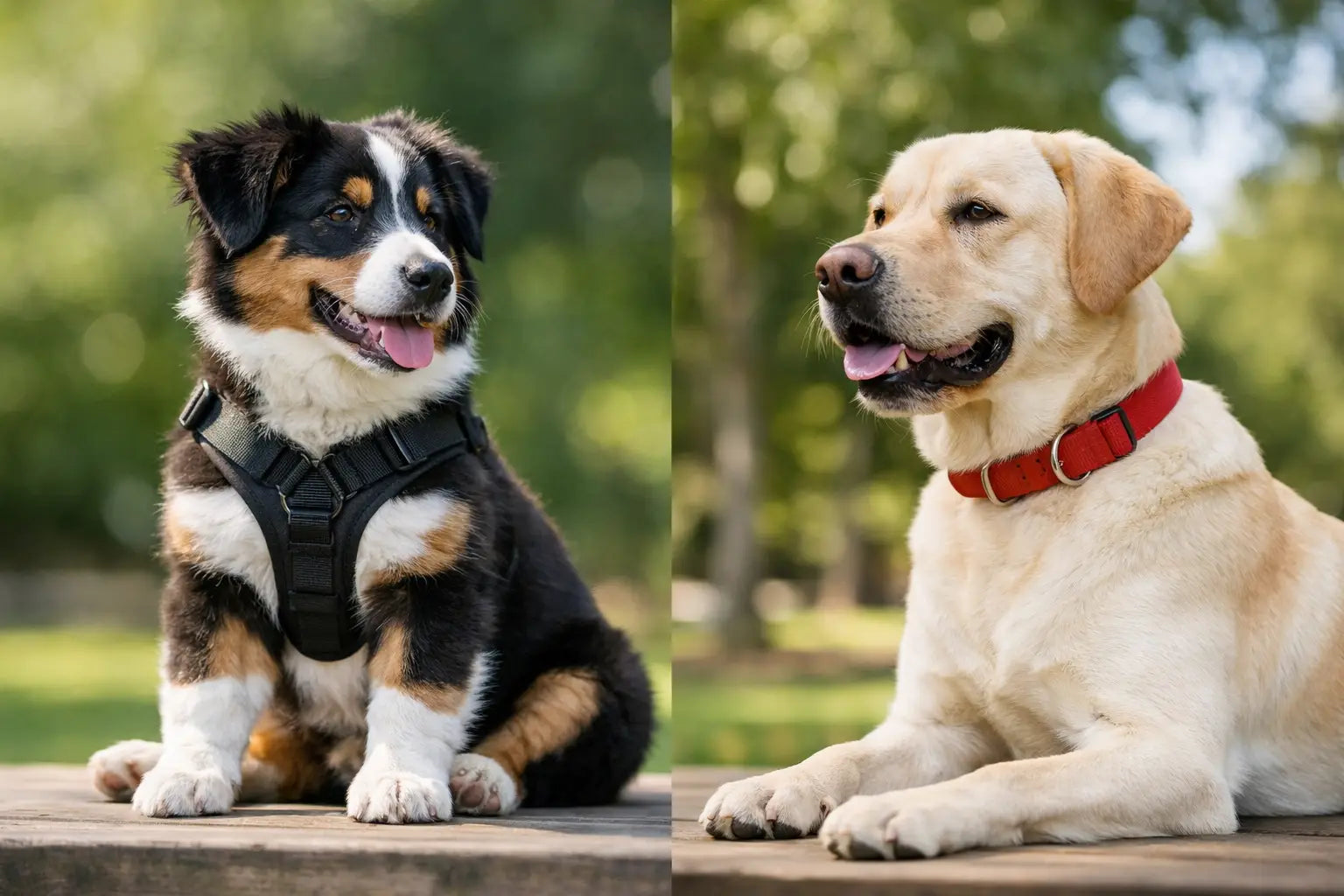
A collar sits around the neck and is usually the simpler, more traditional option. It is easy to put on, lightweight, and perfect for holding ID tags. For many calm walkers, a collar works beautifully for everyday outings, potty breaks, and quick trips outside.
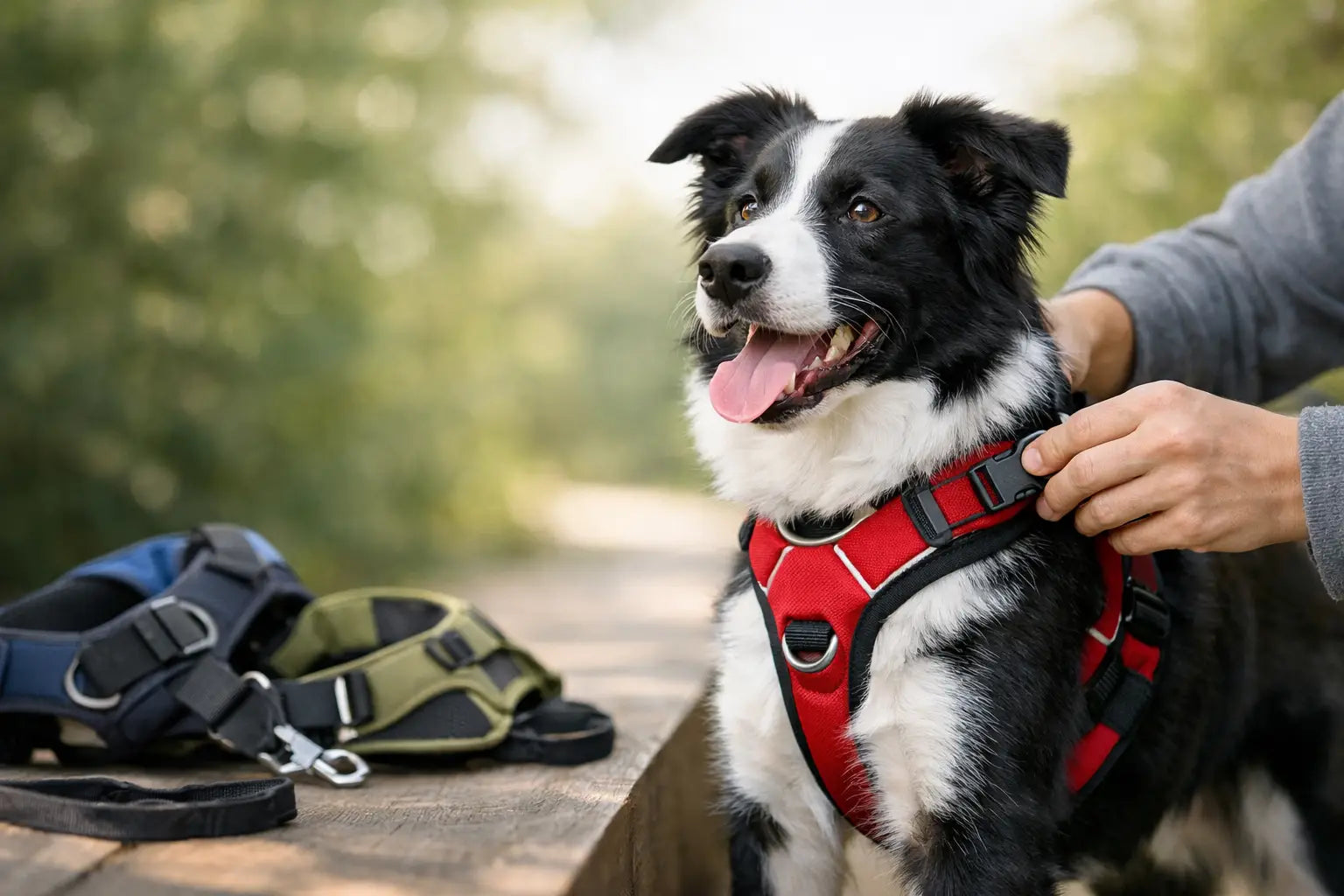
A harness wraps around the chest and shoulders, spreading pressure over a broader area of the body. That design changes how force is distributed when a dog pulls or suddenly lunges. Instead of pressure landing directly on the throat, it is redirected across the torso. For many dogs, that feels more secure and noticeably more comfortable.
This is why the harness versus collar question is rarely about which one is universally better. It is about what your dog needs on real walks, in real life.
When a collar makes sense
Collars still have a very real place in a dog’s wardrobe. For dogs who walk politely on leash and do not have breathing concerns, a well-fitted collar can be an easy, practical choice. It is often ideal for adult dogs with solid leash manners, especially for short neighborhood walks.
Many dog parents also prefer collars because they are less bulky. On a fluffy dog or a pup who dislikes gear, that lighter feel can make a difference. A collar is also usually the best place for identification tags, even if your dog wears a harness for walks. If your pup ever gets loose, those tags are instantly visible.
That said, collars have limits. Dogs who pull hard can strain their necks. Tiny breeds, flat-faced breeds, and dogs with delicate tracheas may be especially sensitive to that pressure. If your dog coughs, gags, or wheezes on walks, a collar may not be the kindest choice for leash attachment.
When a harness is the better choice
Harnesses tend to shine when safety and control are top priorities. Puppies often do better in harnesses because they are still learning leash manners and can be unpredictable. The same goes for energetic dogs, rescue dogs, and pups who get overstimulated outdoors.
A harness can also be a lovely option for smaller breeds and dogs prone to tracheal irritation. Since pressure stays off the throat, many dogs walk more comfortably and confidently. For pet parents, harnesses often provide a better sense of security too, especially if their dog is a little wiggly or known for backing out of gear.
There is another practical side to this choice. A properly fitted harness can make daily walks feel more polished and more enjoyable. You are not constantly adjusting, correcting, or worrying that one sudden squirrel sighting will turn into a chaotic moment. For dog moms who want walkwear that feels thoughtful, secure, and elevated, a good harness often delivers on all three.
The biggest trade-offs to consider
Harnesses are not automatically perfect, and collars are not automatically outdated. Each comes with trade-offs.
A collar is quicker. It is easy to grab, clip a leash on, and head out the door. For a dog who already walks beautifully, that simplicity is hard to beat. But if that same dog starts pulling, the convenience may not be worth the pressure on the neck.
A harness offers more support, but fit becomes much more important. A loose harness can rub, shift, or even allow an escape artist to slip free. Some dogs also freeze the first time they wear one, especially if they are sensitive to anything touching their shoulders or chest.
There is also the training piece. Some front-clip harnesses can help reduce pulling, but no gear replaces leash training. The right walkwear can support better habits, but it cannot create them on its own.
How to choose based on your dog’s personality and body
The best answer usually starts with your dog, not the trend.
If your pup is relaxed, walks close to you, and has no breathing or neck concerns, a collar may be all you need for many outings. If your dog is young, excitable, tiny, flat-faced, elderly, or still learning, a harness is often the gentler and safer choice.
Body shape matters too. Deep-chested dogs, broad-shouldered dogs, and very small breeds can all fit differently in standard gear. What looks adorable on one pup may sit awkwardly on another. A good fit should feel secure without pinching, rubbing under the legs, or restricting movement through the shoulders.
Temperament matters just as much. Nervous dogs often feel safer in a harness because it gives a more wrapped, secure feeling. Confident dogs with easy manners may barely notice the difference. And for dogs who hate having things pulled over their heads, step-in or adjustable harness styles may make life easier.
What about puppies?
For most puppies, a harness is the easier starting point. Puppies bounce, zigzag, and get excited over absolutely everything. That is part of their charm, but it is not ideal for a collar-only setup if they are still learning how to walk on leash.
A lightweight harness helps protect their neck while you teach calm walking skills. It also gives you a little more control during that very distracted stage of life. You can still use a collar for ID tags, but attaching the leash to a harness is often the more comfortable choice while they grow.
Just keep in mind that puppies outgrow gear quickly. Fit should be checked often. A harness that was perfect three weeks ago may suddenly be too snug or too loose.
Can dogs wear both?
Yes, and many do. In fact, this is often the most practical setup.
A dog can wear a collar with ID tags daily and a harness specifically for walks or outings. That combination gives you the convenience of visible identification while letting your leash attach to the piece of gear that offers the right support. For many pet parents, this is the sweet spot between function and peace of mind.
It also gives you room to think about different moments in your dog’s routine. A quick potty break may be fine with a collar for a calm dog. A busy farmer’s market, travel day, or long weekend stroll may feel much better with a harness.
Fit matters more than the category
A beautiful collar that is too tight or a premium harness that rubs under the arms will never feel luxurious to your dog. The right fit is what makes gear truly wearable.
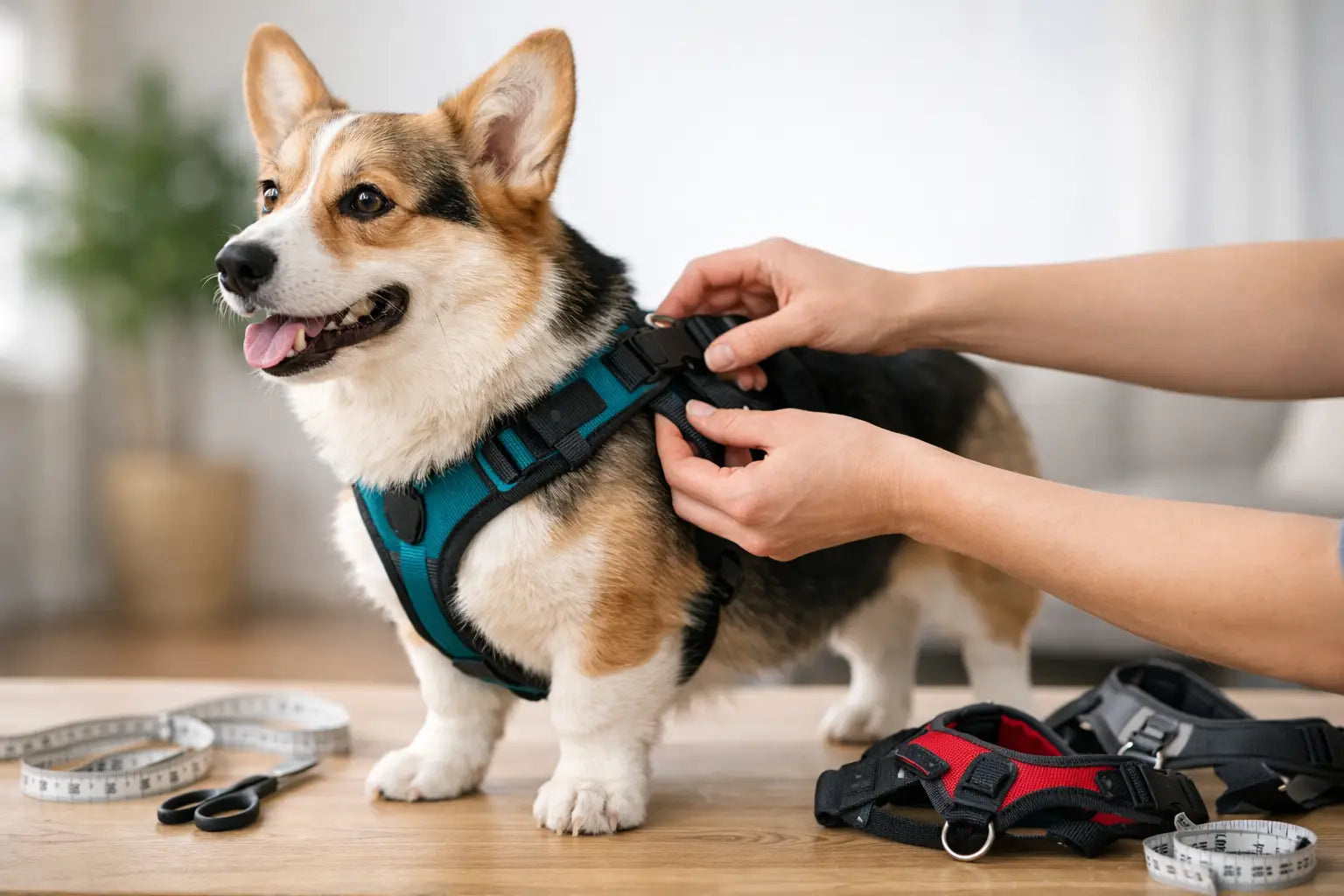
For collars, you want enough room to slide two fingers between the collar and your dog’s neck. It should not hang loose, but it should not leave pressure marks either. For harnesses, the chest and neck straps should sit securely without digging in, and your dog should be able to move naturally.
Watch how your pup moves once the gear is on. If they are scratching, resisting, or walking stiffly, something is off. Sometimes the issue is the style. Sometimes it is the fit. Sometimes it is just a dog telling you they need a gentler option.
Style matters too, and that is okay
Dog moms know the truth: if your pup wears something every day, you want it to look lovely too. That does not mean choosing fashion over function. It means finding walkwear that feels just as special as the moments you share in it.
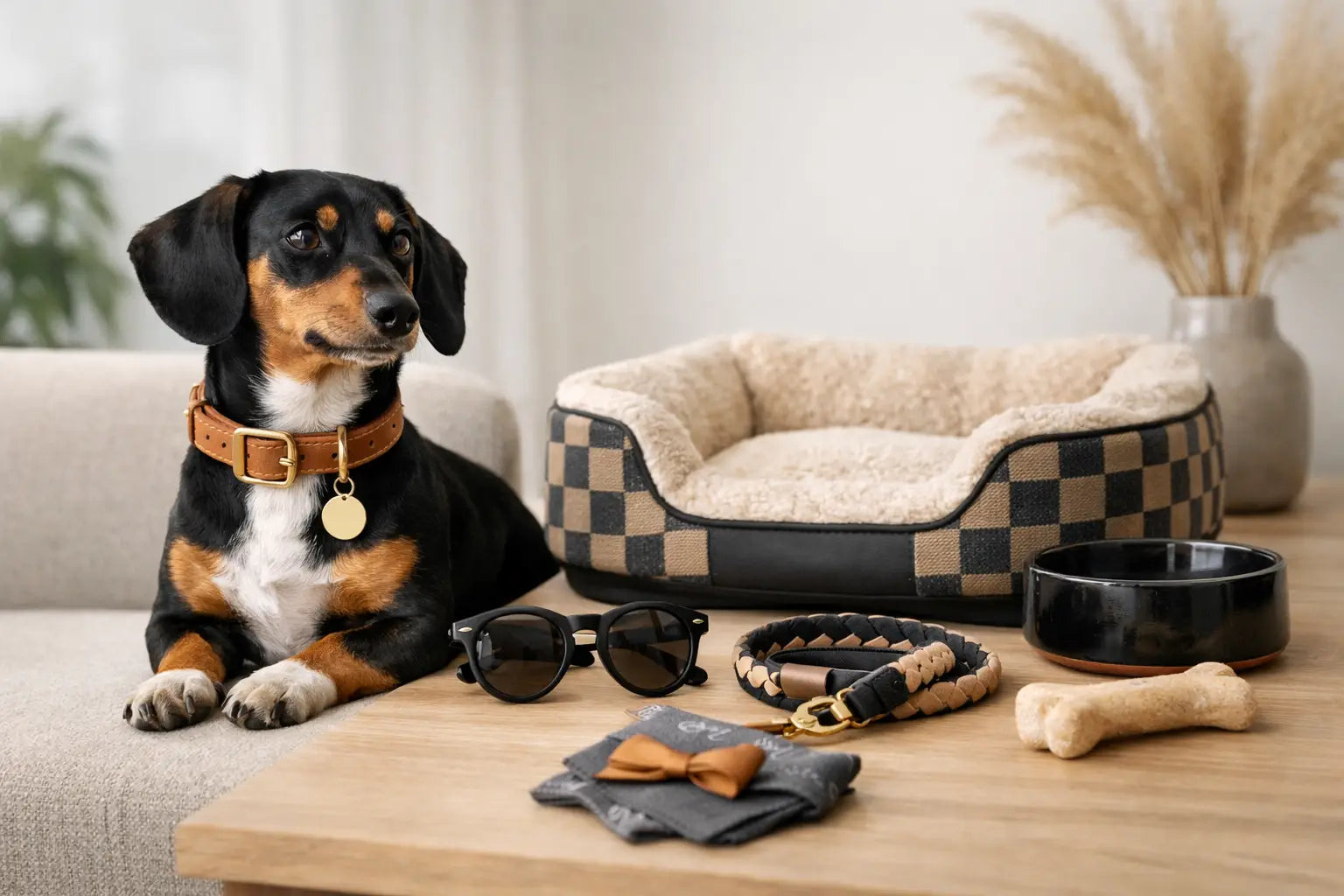
The best pieces do both. They are soft where they should be soft, secure where they need to be secure, and polished enough that your everyday walks feel a little more put together. At Luna Doodle Boutique, that balance is part of the magic. Practical pieces should still feel charming, elevated, and worthy of the dogs we adore.
So which should you choose?
If your dog walks gently, has no neck sensitivity, and mainly needs a simple everyday option, a collar can be perfectly appropriate. If your pup pulls, startles easily, is very small, has breathing concerns, or is still learning, a harness is usually the kinder choice.
For many dogs, the answer is not either-or. It is both, used with intention. A collar for tags. A harness for walks. A setup that supports your dog’s body, your routine, and the kind of outings you actually have together.
The best walkwear is the one that lets your dog move comfortably and lets you enjoy the moment a little more, whether that is a quick morning stroll or your favorite golden-hour neighborhood loop.