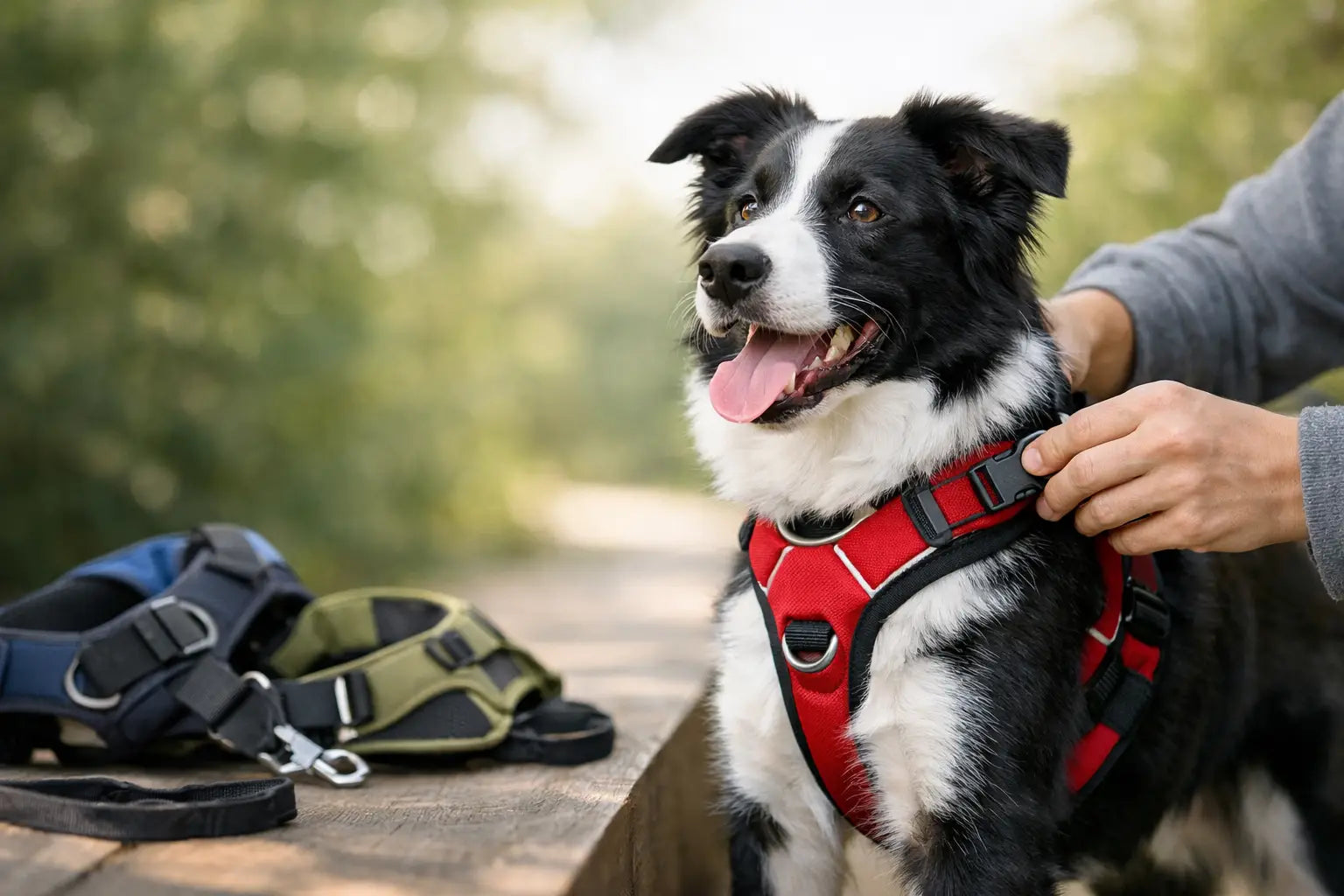
How to Choose Dog Harness for the Right Fit
A harness can turn a daily walk from a tug-of-war into one of those sweet little routines you and your pup both look forward to. But if you have ever stood there comparing straps, buckles, mesh panels, and sizing charts, you already know that figuring out how to choose dog harness options is not always as simple as picking the cutest print and checking out.
The right harness should feel good on your dog, give you better control, and fit your actual day-to-day life. A sleepy neighborhood stroller, a strong puller, a tiny puppy, and a dog who loves weekend adventures do not all need the same thing. Style matters too, of course, but comfort and function need to lead.
How to choose dog harness without guessing
Start with your dog’s body, not the color or pattern. The best harness for one pup can be awkward, restrictive, or insecure on another, even if they are close in weight. Breed shape, coat thickness, energy level, and walking habits all matter.
A broad-chested dog may need more room through the front, while a slim, long-bodied dog may need a harness that adjusts in more than one place to avoid shifting. Fluffy coats can hide a poor fit at first, but the straps still need to sit correctly underneath all that softness. If your dog is in between sizes, the design itself becomes even more important because some styles run snug and others allow more flexibility.
Your dog’s behavior on walks matters just as much. If your pup pulls hard, a lightweight fashion-first harness may not give you enough structure. If your dog walks gently and mostly joins you for calm neighborhood outings, you may not need something extra technical. The goal is not buying the most heavy-duty option. It is finding the one that matches your dog’s real routine.
The main harness styles and who they suit
There is no single perfect harness style, only the one that makes the most sense for your pup.
Back-clip harnesses
A back-clip harness has the leash attachment on the top of the dog’s back. This style is often a favorite for everyday wear because it is simple, comfortable, and easy to use. It works especially well for dogs who already walk nicely on leash, smaller dogs, and pet parents who want a straightforward option for regular strolls.
The trade-off is control. For strong pullers, a back-clip harness can sometimes make it easier to lean into the leash and keep pulling. If your dog treats every squirrel sighting like a personal mission, you may want more guidance than this style typically offers.
Front-clip harnesses
A front-clip harness places the leash attachment at the chest. When a dog pulls, the design helps redirect their movement rather than letting them drive straight ahead. For dogs learning leash manners, this can be a helpful feature.
That said, front-clip styles are not magic. They can improve control, but they still need proper fit and consistent training. On some dogs, especially very active ones, the leash may tangle more easily around the front legs if the fit is off or the walk gets a little chaotic.
Dual-clip harnesses
A dual-clip harness gives you both front and back leash attachment points. This is a lovely middle ground for many dog parents because it offers flexibility. You can use the front clip while working on loose-leash walking and switch to the back clip when you want a more relaxed walk.
If you want one harness to do a little bit of everything, this style is often worth considering. It is especially practical for growing dogs or dogs whose walking habits are improving over time.
Step-in harnesses
Step-in harnesses are designed so your dog steps into the openings before the harness fastens on top. They can be a nice option for dogs who dislike gear going over their head.
The catch is that not every step-in design offers the same level of support or adjustability. They are often best for smaller dogs or lighter pullers rather than big, powerful dogs who put a lot of force into the leash.
Fit matters more than almost anything
The prettiest harness in the world will not feel elevated if your dog is constantly wiggling, chafing, or backing out of it. Fit is what makes a harness wearable.
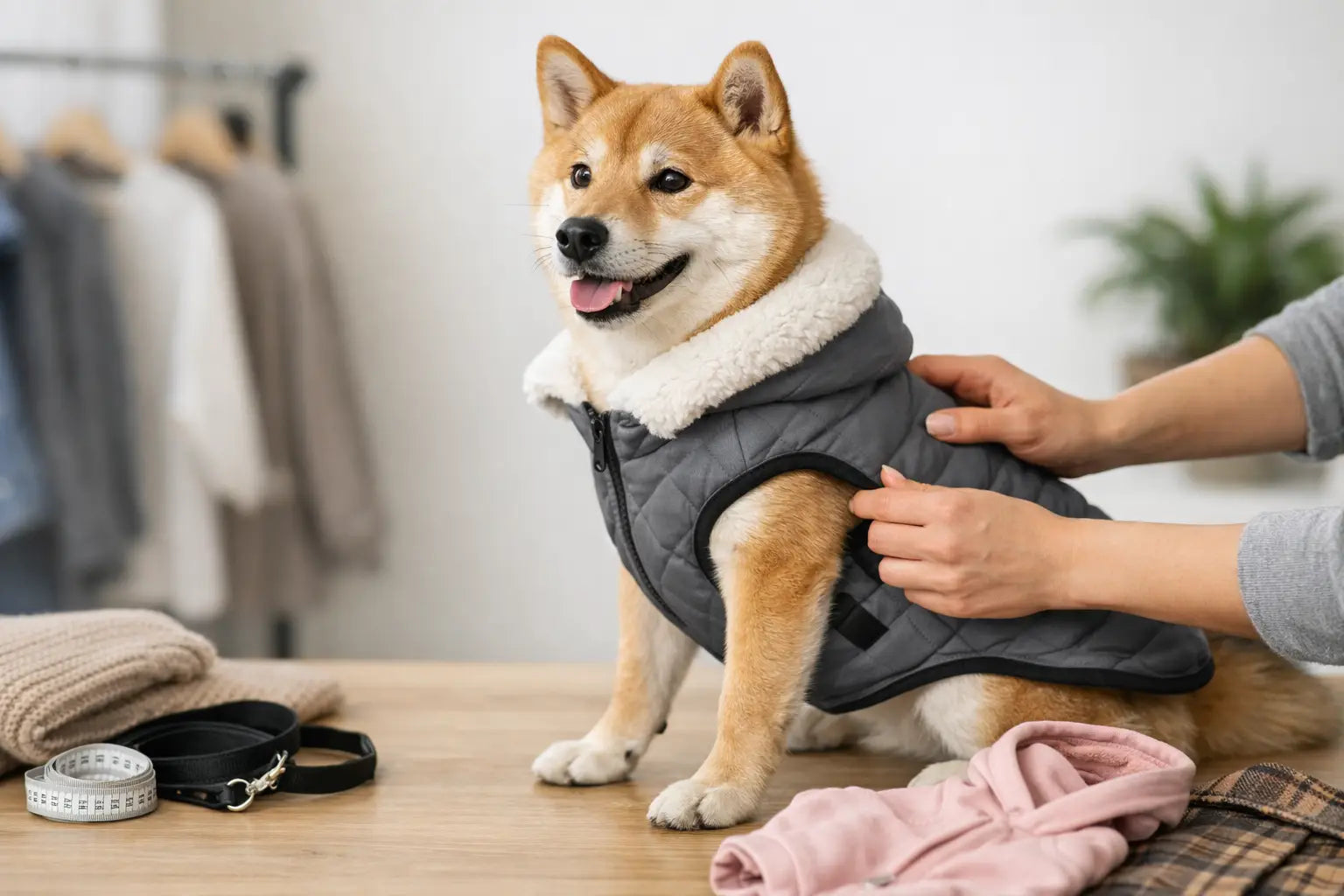
You will usually need two core measurements: your dog’s neck area and chest girth, which is the widest part of the rib cage just behind the front legs. If your dog is fluffy, measure snugly enough to get the real body size rather than just the fur. Then check the brand’s size chart because harness sizing is not universal.
Once the harness is on, you want it secure but not tight. A common rule is that you should be able to slide two fingers under the straps. Less room than that can feel restrictive. Much more than that can mean your dog could slip out or experience rubbing from too much movement.
Watch where the straps sit. They should not press into the throat, cut into the armpits, or limit shoulder movement. This is where a lot of dog parents get tripped up. A harness can seem technically fitted but still interfere with how a dog naturally walks. If your pup starts taking shorter steps, freezing, or moving stiffly, the harness may be the wrong shape even if the size looked correct on paper.
Materials, comfort, and everyday wear
A harness is one of those pieces your dog may wear often, so the fabric and finish matter. Soft lining, smooth edges, breathable mesh, and sturdy hardware all make a difference over time.
If you live somewhere warm or your dog overheats easily, a lightweight, breathable design usually makes more sense than a thick padded style. If your dog has short hair or sensitive skin, pay close attention to seam placement and strap texture because rough edges can irritate quickly.
Hardware is easy to overlook, but it is worth a second glance. Buckles should feel secure and easy for you to use without pinching your fingers or your dog’s coat. D-rings should feel solid, especially if your dog is strong. A delicate-looking harness may photograph beautifully, but for daily walks, reliability should always come first.
Style should support function, not replace it
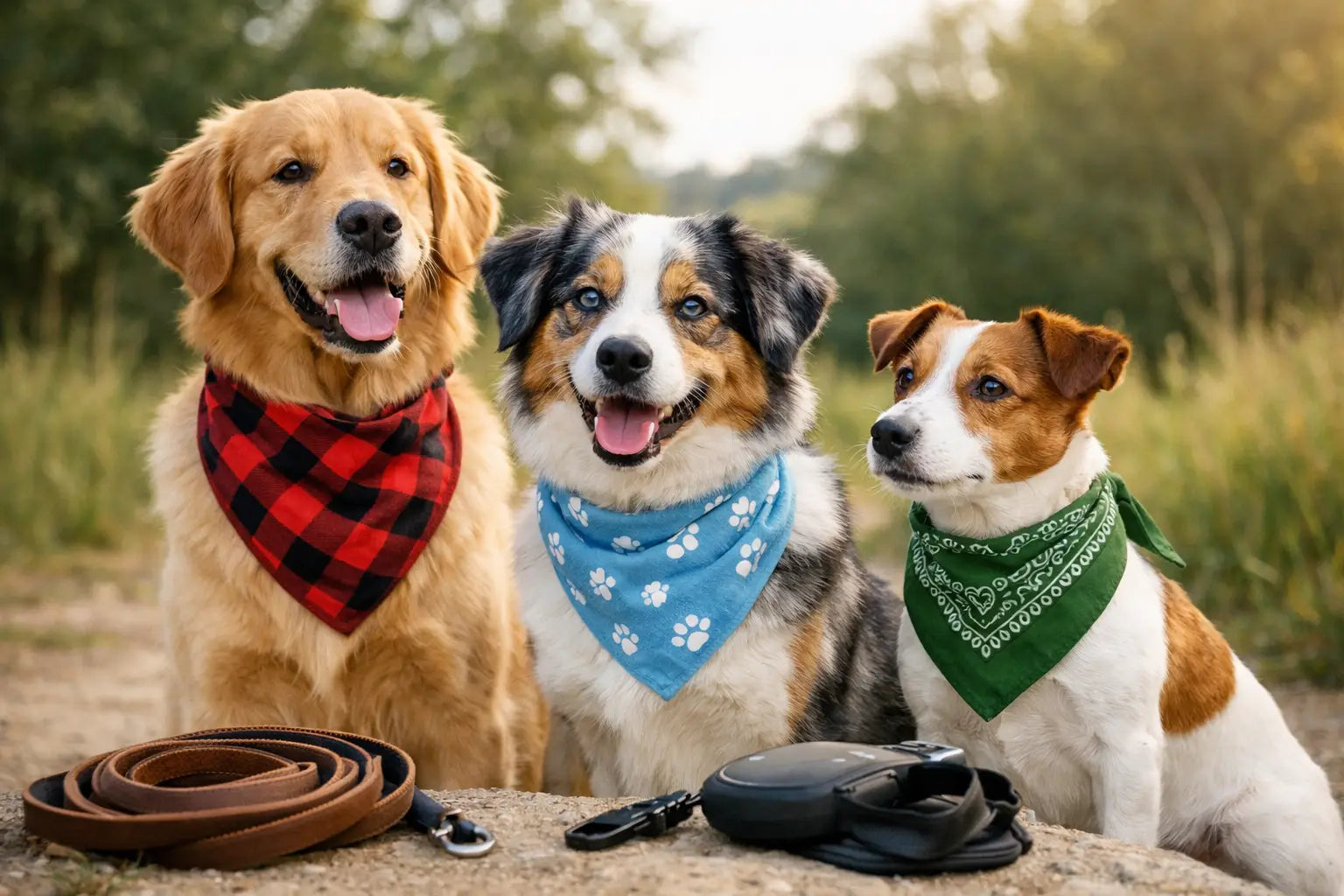
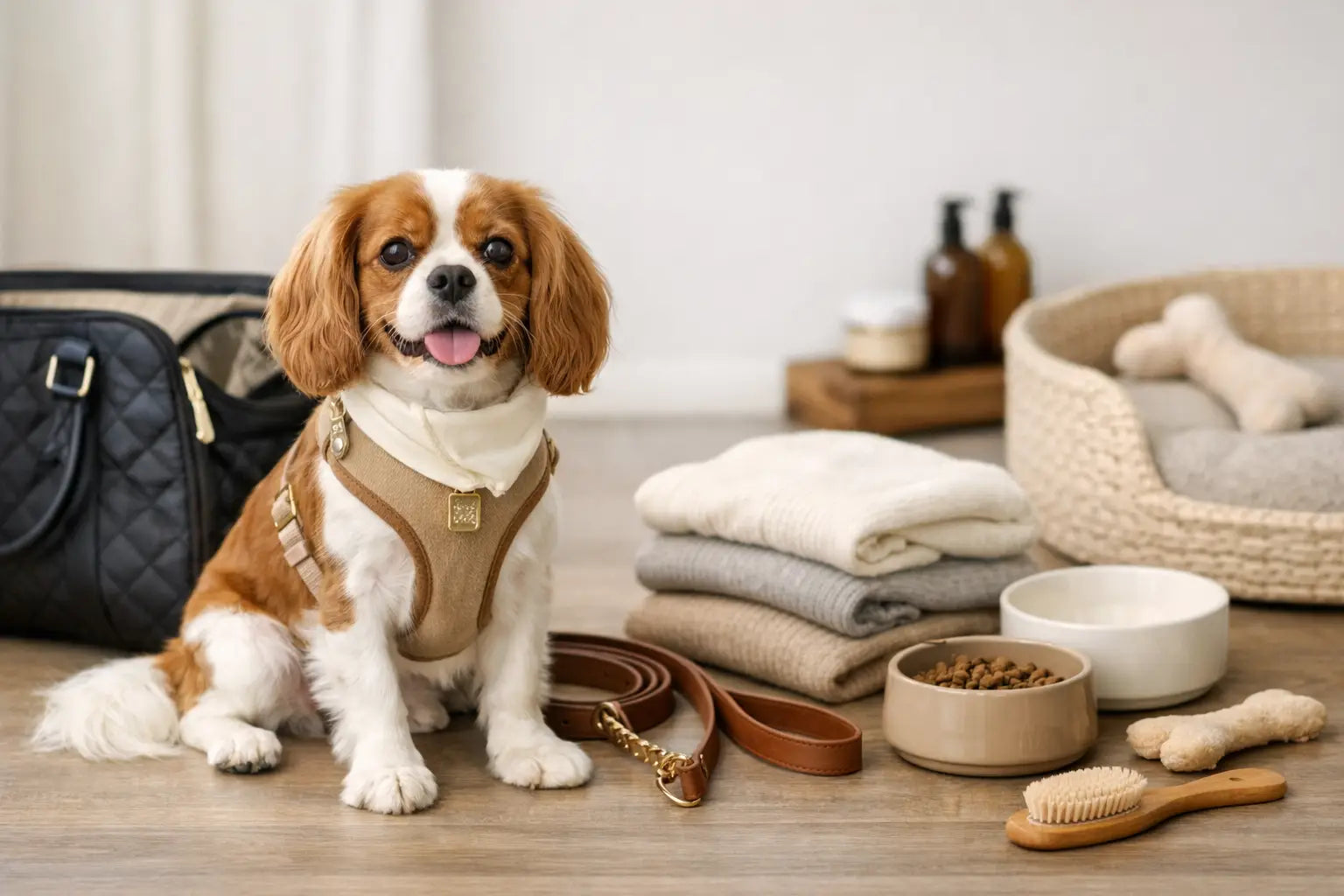
For dog moms who love a coordinated walkwear moment, this part matters. Yes, your dog’s harness can absolutely be adorable. It can complement their leash, bandana, or bow and still do its job beautifully.
The key is choosing style details that do not interfere with comfort. Oversized embellishments, bulky decorative pieces, or stiff materials can look charming on a product page but feel less charming halfway through a walk. Elevated essentials work best when they are as wearable as they are beautiful.
This is often where a curated boutique experience feels different from a giant marketplace. Instead of sorting through endless random options, it helps to choose from pieces that already balance design and practicality. At Luna Doodle Boutique, that blend of comfort, function, and polished style is exactly the point.
Signs you picked the wrong harness
Sometimes the harness looks fine until real life starts happening. If your dog resists putting it on every single time, scratches at it often, or seems unusually restless on walks, pay attention. That does not always mean they hate harnesses. It may mean they hate that harness.
Other red flags include rubbing under the front legs, coughing from pressure near the throat, twisting to one side, or escaping during backing up. A dog who can move too much inside the harness is not safely fitted, and a dog who cannot move naturally is not comfortably fitted. Both matter.
It is also okay to admit that a harness works in theory but not for your lifestyle. If it takes too long to put on, feels too fiddly for quick potty breaks, or gets twisted every time, it may not be the right everyday choice for you.
A simple way to narrow it down
If you feel stuck, make the decision in this order. First, choose the style based on your dog’s walking behavior. Next, confirm the right size with actual measurements. Then look at adjustability, comfort, and hardware quality. After that, choose the color, print, or overall aesthetic you love.
That order saves a lot of regret. It keeps you from buying a beautiful harness that ends up sitting in a drawer because the fit never felt quite right.
Dogs are not just pets. They are part of the family, and the little things we choose for them shape their everyday comfort. A good harness should help your dog feel secure, help you feel confident, and make those ordinary walks feel a little more lovely.