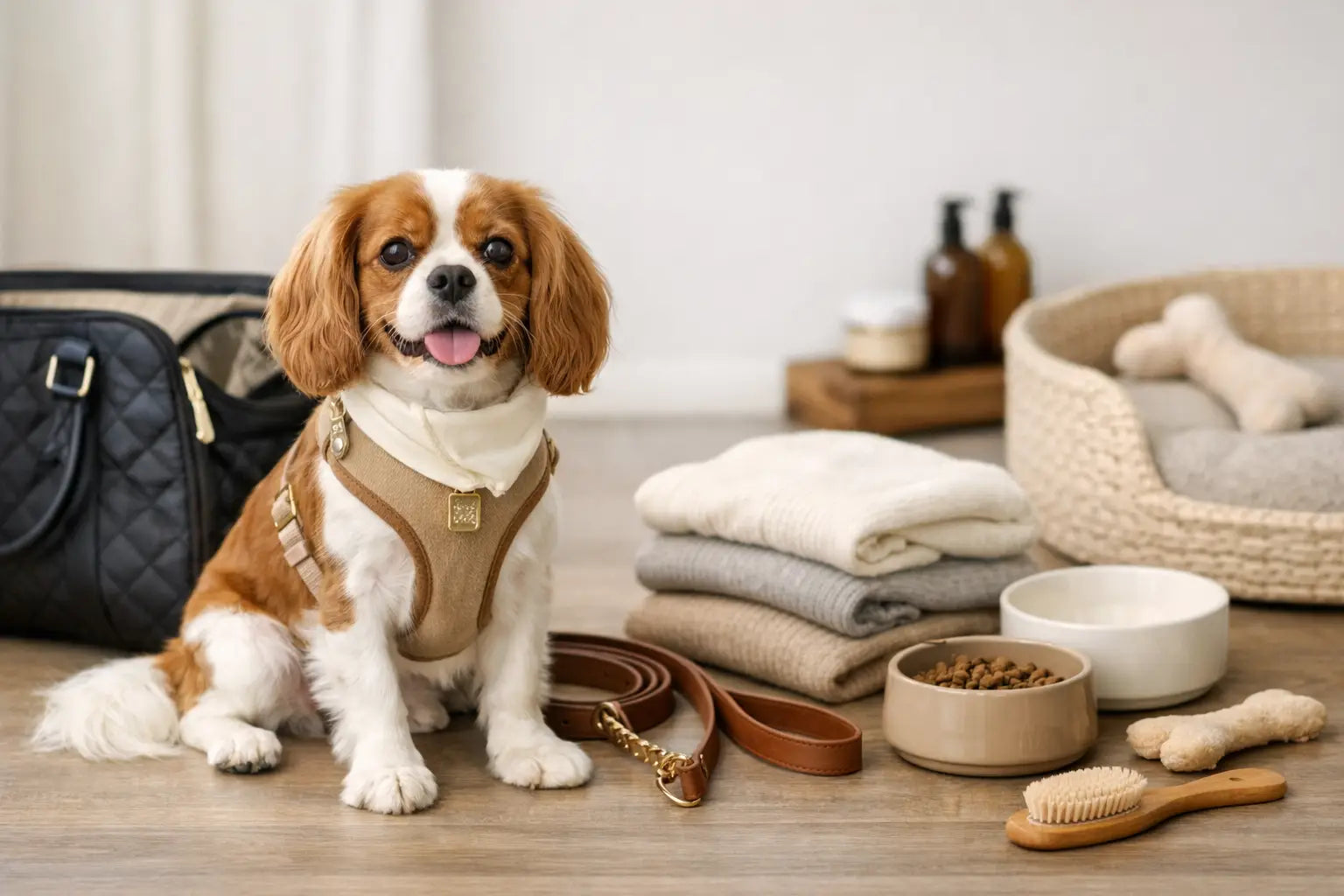
Article: When Do Dogs Need Sweaters? A Cozy-Weather Guide
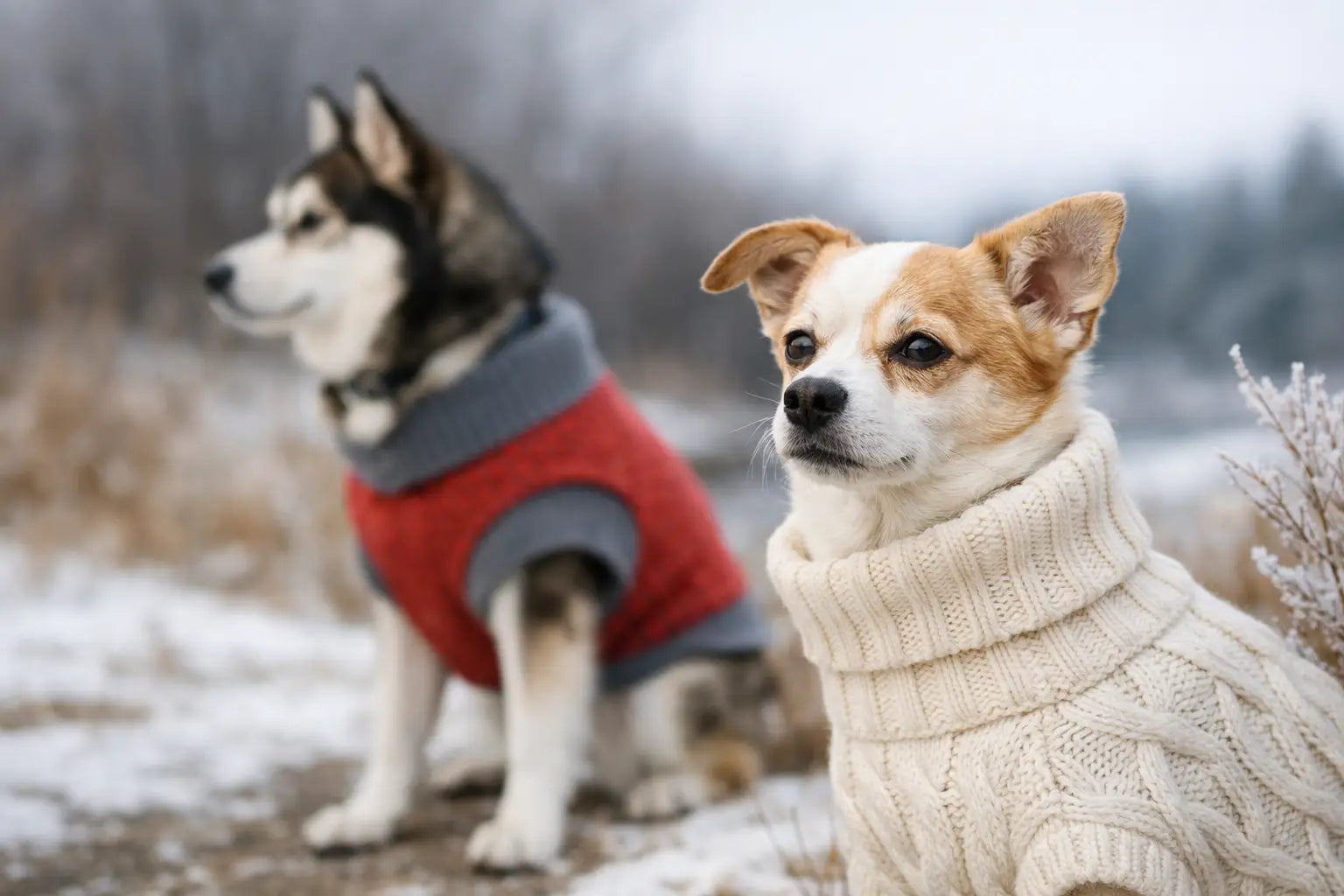
When Do Dogs Need Sweaters? A Cozy-Weather Guide
A crisp fall walk can be pure joy for one pup and downright chilly for another. So, when do dogs need sweaters? The answer is less about the calendar and more about your dog’s coat, body size, age, health, and how they behave once the temperature drops. A well-chosen sweater is not just a sweet finishing touch for a seasonal look. For some dogs, it is a genuinely helpful layer of warmth.
Dogs are not one-size-fits-all, and neither is cold-weather comfort. Your fluffy doodle may be happy trotting through a cool morning in a bandana, while a petite short-haired pup may need a cozy knit before leaving the house. The goal is simple: keep your best friend comfortable enough to enjoy the moment, whether it is a quick potty break, a neighborhood stroll, or a festive outing with the family.
When Do Dogs Need Sweaters?
Many healthy adult dogs start benefiting from a sweater when temperatures dip below about 45°F, especially if they have short, thin, or fine coats. Once temperatures reach 32°F or lower, more dogs can use an extra layer for outdoor time, even if they do not usually wear apparel.
Those numbers are a starting point, not a rule. Damp air, rain, snow, wind, and time spent outside can make 45°F feel much colder. A dog standing still at a chilly outdoor event may need more insulation than a dog happily moving along on a brisk walk. On the other hand, a thick-coated northern breed may be perfectly comfortable without a sweater in conditions that make a small Chihuahua shiver.
Pay attention to the whole setting. A sunny, dry 40°F afternoon and a windy, wet 40°F morning are completely different experiences for your pup.
Dogs Most Likely to Appreciate a Layer
Small dogs lose body heat faster than larger dogs, which is why toy and miniature breeds often benefit from sweaters first. Short-haired dogs, lean dogs, and breeds with low body fat can also get cold quickly. Think Italian Greyhounds, Whippets, Miniature Pinschers, Boxers, French Bulldogs, Chihuahuas, and many mixed-breed pups with sleek coats.
Puppies and senior dogs may need a little more help staying warm, too. Puppies are still developing their ability to regulate body temperature, while older dogs may have less muscle mass, thinner coats, or joint stiffness that feels worse in cold weather. A soft, easy-to-put-on sweater can make winter walks feel much more inviting for an older dog who would otherwise hesitate at the door.
Dogs recovering from illness, surgery, or weight loss can also be more sensitive to the cold. In these cases, a veterinarian can offer personalized guidance, especially if your dog has a medical condition that affects circulation, mobility, skin comfort, or temperature regulation.
Signs Your Dog Is Cold Outside
Your dog cannot ask for a cardigan, but their body language is usually very clear. Shivering is the most familiar sign, yet it is not the only one. Some dogs become still or reluctant to walk, lift their paws repeatedly, tuck their tail, hunch their back, or pull toward the house sooner than usual.
You may also notice your pup seeking out warm spots, curling into a tighter ball, or acting less playful on a normally fun walk. A dog who suddenly wants to be carried, especially a small dog, may be saying that the weather has become too much.
Do not wait for intense shivering to bring them inside. Cold exposure can become uncomfortable before it becomes obvious. If your dog looks unhappy, shorten the outing, dry them off if they are damp, and offer a warm place to rest. A sweater can help during the next outing, but it does not make prolonged time in freezing conditions safe.
When a Sweater Is Not Necessary
A sweater is not required simply because it is sweater weather for you. Many medium and large dogs with dense double coats are naturally well equipped for cool temperatures. Breeds such as Siberian Huskies, Alaskan Malamutes, Saint Bernards, and many healthy, thick-coated retrievers may be more likely to overheat than to get chilly on a mild fall day.
That said, coat type is not the only factor. A senior Golden Retriever with arthritis, a recently groomed Poodle, or a husky who is wet from rain may still appreciate a layer in the right circumstances. Individual comfort always matters more than breed stereotypes.
Indoor sweaters are another it-depends situation. If your home is comfortably heated, most dogs do not need clothing indoors. Some pups enjoy wearing a light layer for a short photo moment or a special occasion, but take it off if they pant, seem restless, scratch at it, or head for cool flooring. Cozy should never mean overheated.
Choosing a Sweater That Feels as Good as It Looks
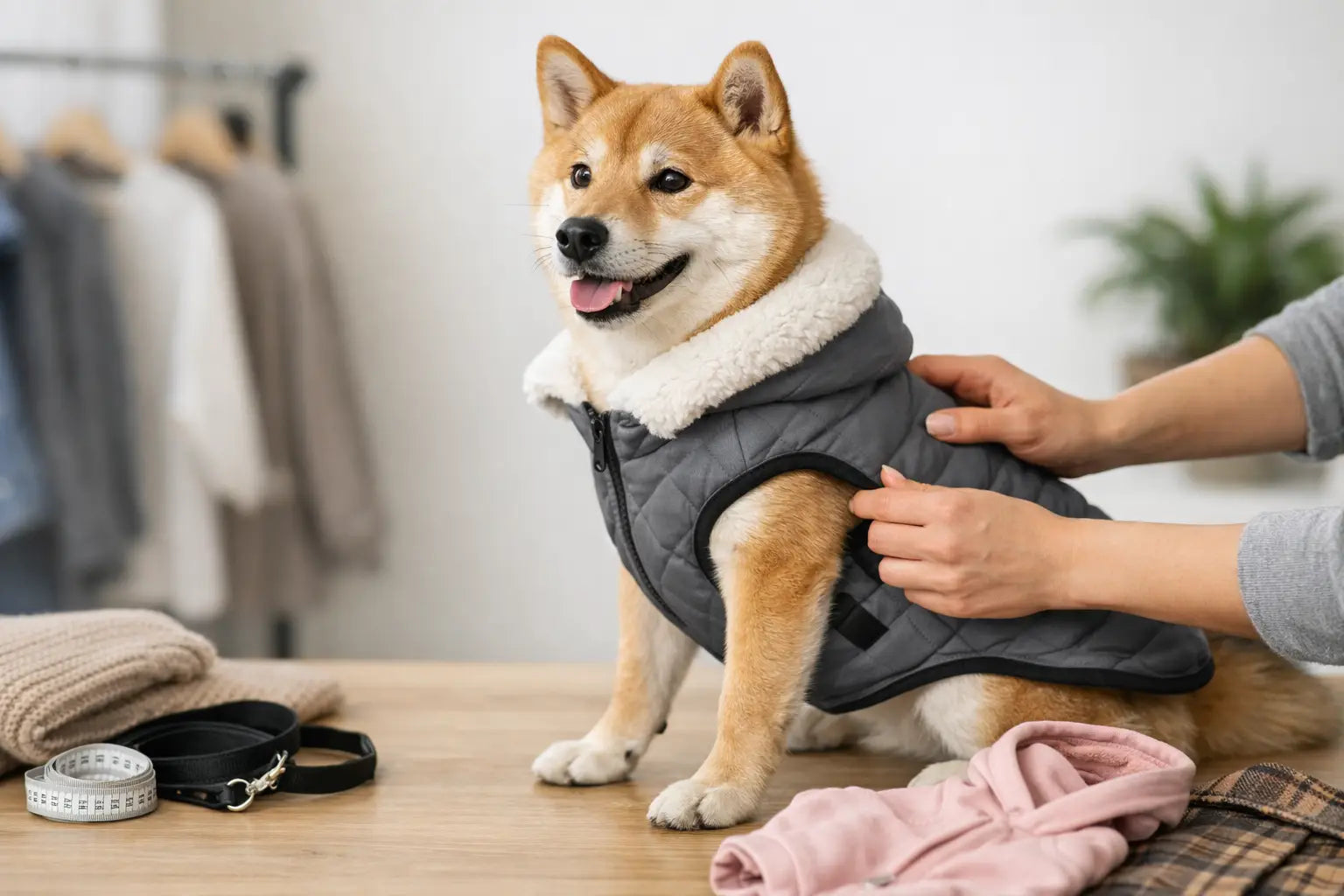
The prettiest sweater is only a good choice if your dog can move, breathe, and potty comfortably in it. Look for soft materials that feel gentle against the skin and have enough stretch for natural movement. The neckline should not press on the throat, and the arm openings should allow an easy stride without rubbing behind the front legs.
Fit matters more than sizing labels. Measure around the widest part of your dog’s chest, then check the neck and back length. A sweater that is too snug can restrict movement and trap heat, while one that is too loose can slide, snag, or make your dog nervous. If your pup wears a harness, make sure the sweater works with that setup. For walks, a harness should sit securely against the body rather than bunching over thick fabric.
A simple test helps: after putting the sweater on, let your dog walk around the room, sit, lie down, and take a treat. Watch for stiff movement, repeated scratching, freezing in place, or attempts to wriggle out. Those are signs the fit or fabric is not right.
For polished cold-weather outfits, choose function first and have fun with the details second. A soft neutral knit, a playful seasonal print, or a special-occasion bow can make everyday walks feel a little more charming, but your pup’s comfort remains the main accessory.
How Long Can a Dog Wear a Sweater?
For a supervised walk, car ride, patio visit, or outdoor event, a sweater can be a lovely cold-weather essential. Once your dog is back inside, especially in a warm home, it is usually best to remove it. This gives you a chance to check their skin, brush out any tangles, and make sure the fabric has stayed dry.
Never leave a sweater on an unsupervised dog in a crate or while you are away. Clothing can catch on furniture, become twisted, or cause overheating. It is also wise to take sweaters off before rough play with other dogs, since paws and teeth can snag fabric surprisingly fast.
Wash sweaters regularly, particularly after muddy walks or close contact with other dogs. Clean, dry fabric is kinder to the skin and keeps your pup’s wardrobe fresh for the next cozy outing.
A Few Cold-Weather Habits That Matter More Than Clothing
A sweater is one part of a thoughtful winter routine, not the entire plan. Keep walks shorter when conditions are harsh, dry your dog thoroughly after rain or snow, and check paws for ice, salt, or irritation when you return home. If sidewalks are treated, wipe paws before your pup has a chance to lick them.
For especially cold days, consider swapping one long outdoor adventure for a shorter walk plus indoor enrichment. A lick mat, a favorite toy, or a few minutes of treat-based training can help your dog burn energy while staying warm and happy.
Most of all, trust the dog in front of you. The best time for a sweater is when it helps your pup feel safe, warm, and ready to enjoy life beside you. A little extra coziness can turn a reluctant winter walk into one more sweet memory together.