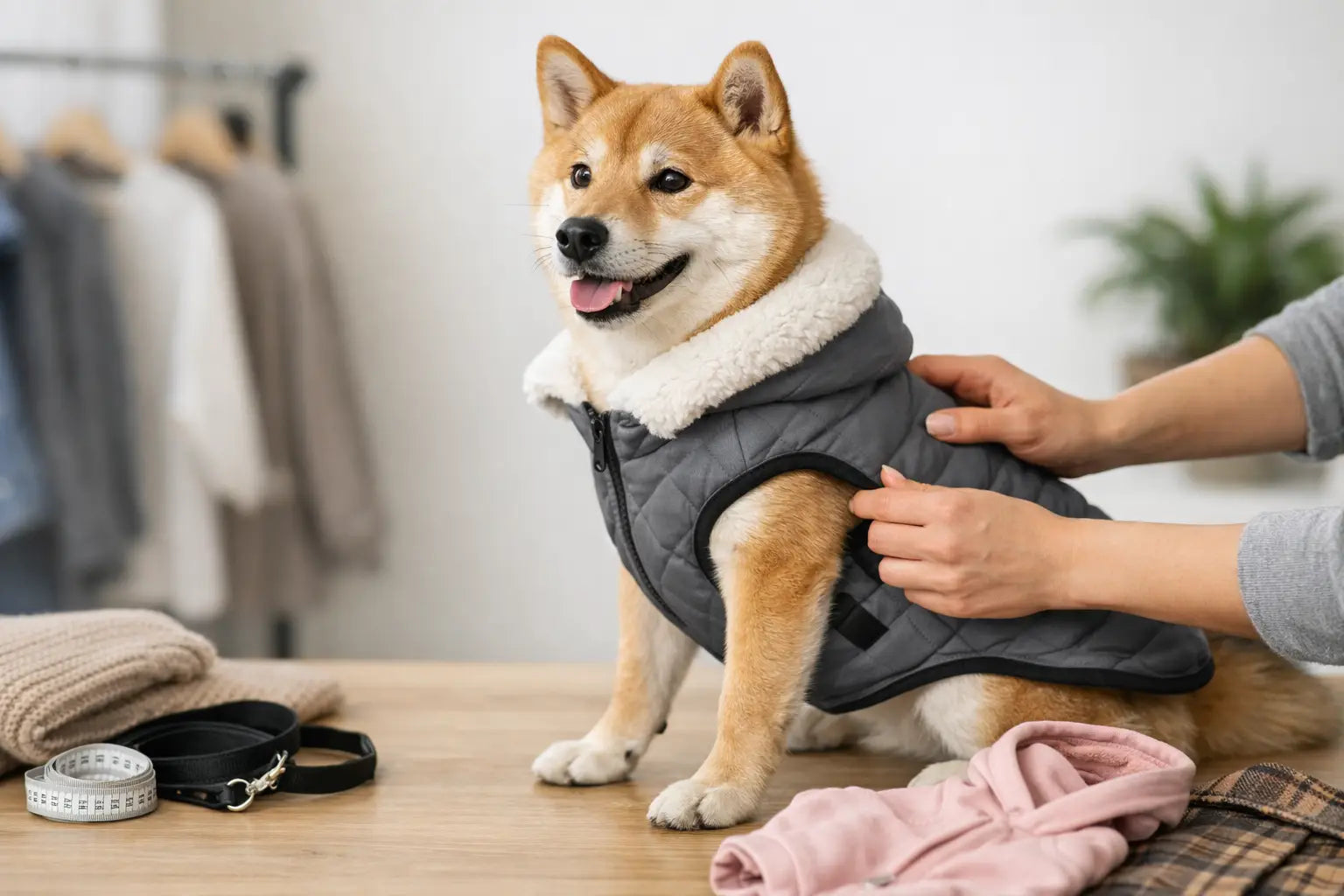
How to Fit Dog Apparel for Comfort and Style
A sweater that bunches under the belly, a dress that twists during a walk, or a jacket that rubs behind the front legs can turn an adorable outfit into a very short-lived photo moment. Learning how to fit dog apparel means looking beyond the size label and paying attention to your pup’s individual shape, movement, and personality. The right fit should feel cozy and secure while letting your dog run, nap, sniff, and accept compliments with complete confidence.
Dogs are not just pets. They are part of the family, and the pieces we choose for them should be just as thoughtful as anything else in their closet. Whether you are picking a lightweight tee for a sunny patio day, a warm layer for chilly morning walks, or a special-occasion look for a birthday party, fit is what makes style truly wearable.
How to Fit Dog Apparel Before You Buy
The most reliable place to start is with fresh measurements. Even if your dog wore a medium last season, a brand’s medium can mean something very different from another brand’s medium. A few minutes with a soft measuring tape can save you from a return and help you choose something your pup will actually enjoy wearing.
Measure your dog while they are standing naturally on all four paws. If they are wiggly, enlist a family member to offer a treat at nose level. Keep the tape comfortably snug, not pulled tight against the coat.
For most dog apparel, you will need three measurements: neck, chest, and back length. Measure the neck around the base, where a collar usually sits. For the chest, wrap the tape around the broadest part of the rib cage, typically just behind the front legs. This is often the most important number for sweaters, jackets, dresses, and shirts because it determines whether your dog can breathe and move comfortably.
To find back length, measure from the base of the neck to the base of the tail. Keep in mind that a full-coverage winter coat may be designed to reach farther down the back than a casual tee. If your pup has a long body, a deep chest, or a compact build, compare every measurement to the garment chart instead of relying on breed labels alone.
When Your Dog Falls Between Sizes
Being between sizes is completely normal, especially for doodles, mixed breeds, broad-chested pups, and dogs with a fluffy coat. The best choice depends on the style and fabric.
For structured pieces, such as jackets, button-front shirts, or dresses with less stretch, size up when your dog is between sizes. A little extra room is easier to manage than a chest that feels restrictive. Adjustable straps, hook-and-loop closures, and elastic panels can help create a more personalized fit.
For soft, stretchy knits and fitted tees, use the chest measurement as your deciding factor. A close fit can be sweet and polished, but it should never pull across the shoulders or feel tight under the arms. If the garment is intentionally oversized, check the back length too. You want a relaxed look, not fabric that slips over the tail or gets in the way during potty breaks.
Check the Fit Once It Is On
The first try-on should happen somewhere calm and familiar, ideally before a big outing or special event. Let your dog sniff the apparel, offer a treat, and put it on slowly. A little patience makes the experience feel less like a costume change and more like a new routine.
Start by checking the neckline. You should be able to slide two fingers comfortably between the fabric and your dog’s neck. A neckline that is too loose can rotate or catch on a harness, while one that is too snug may make your pup reluctant to move their head naturally.
Next, look at the chest and underarm area. The fabric should sit smoothly without pressing into the armpits or causing wrinkles that bunch when your dog walks. Have your pup take a few steps, sit, lie down, and turn around. Clothing that looks perfect while standing still can reveal a poor fit as soon as your dog starts moving.
Pay attention to the belly and rear coverage, too. For male dogs, make sure the garment ends high enough on the underside to avoid bathroom mishaps. For every pup, clothing should stay clear of the potty area and should not drag beneath the body. A longer back can be lovely for warmth, but it needs to be paired with a practical belly cut.
A well-fitted piece stays in place without constant adjusting. It does not twist to one side, ride up toward the neck, sag around the chest, or create pressure marks after a short wear. If your dog freezes, repeatedly scratches at the garment, tries to bite it, or seems unusually quiet, take it off and reassess. Some dogs need a little time to get used to apparel, but discomfort is never something to push through.
Match the Fit to the Type of Apparel
Different pieces ask for different kinds of fit. Treating every dog outfit the same is one of the easiest ways to end up with something cute but impractical.
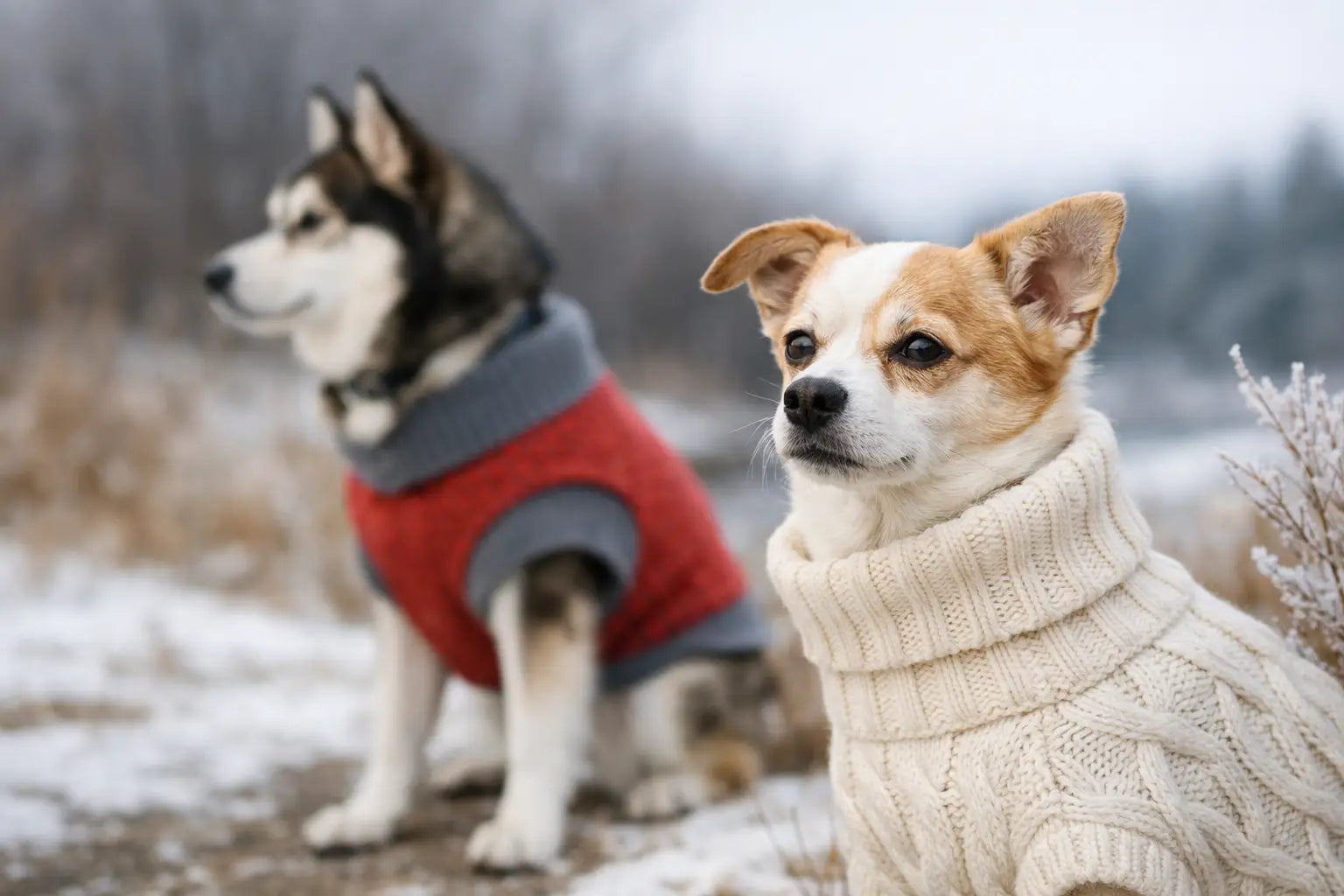
A sweater should be comfortably close to the body without compressing the chest. Because knit fabrics can stretch over time, avoid starting with a size that is already loose around the neck or shoulders. For short-haired dogs, a soft sweater can add warmth indoors or on crisp walks. For thick-coated pups, a lightweight layer may be plenty, depending on the weather.
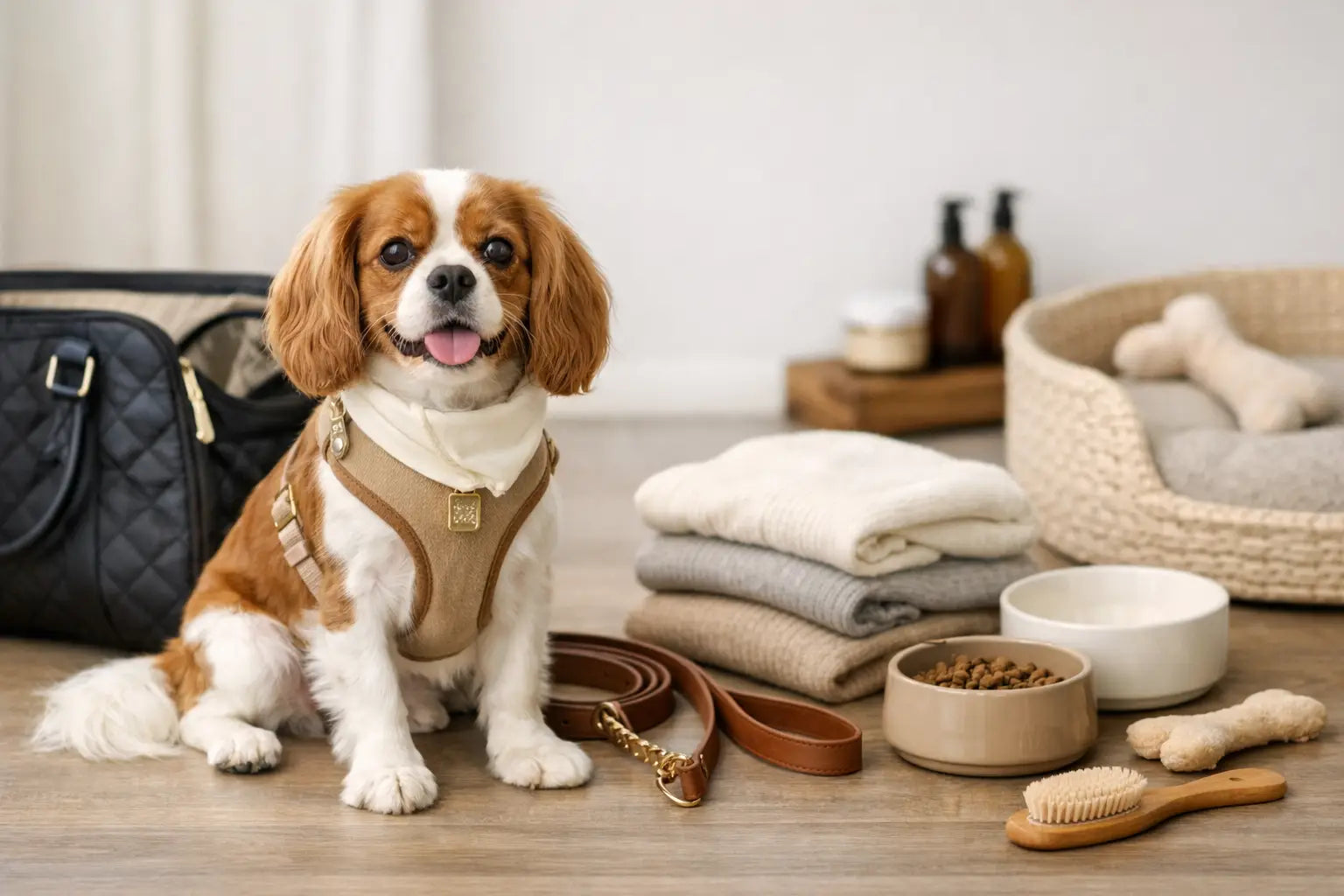
A jacket needs room for natural stride. Check that the chest panel does not dig in when your dog walks and that any closure sits flat, rather than pulling sideways. If your dog wears a harness underneath, try the two together before heading outside. Some jackets layer beautifully over a slim harness, while others work best with the harness worn on top.
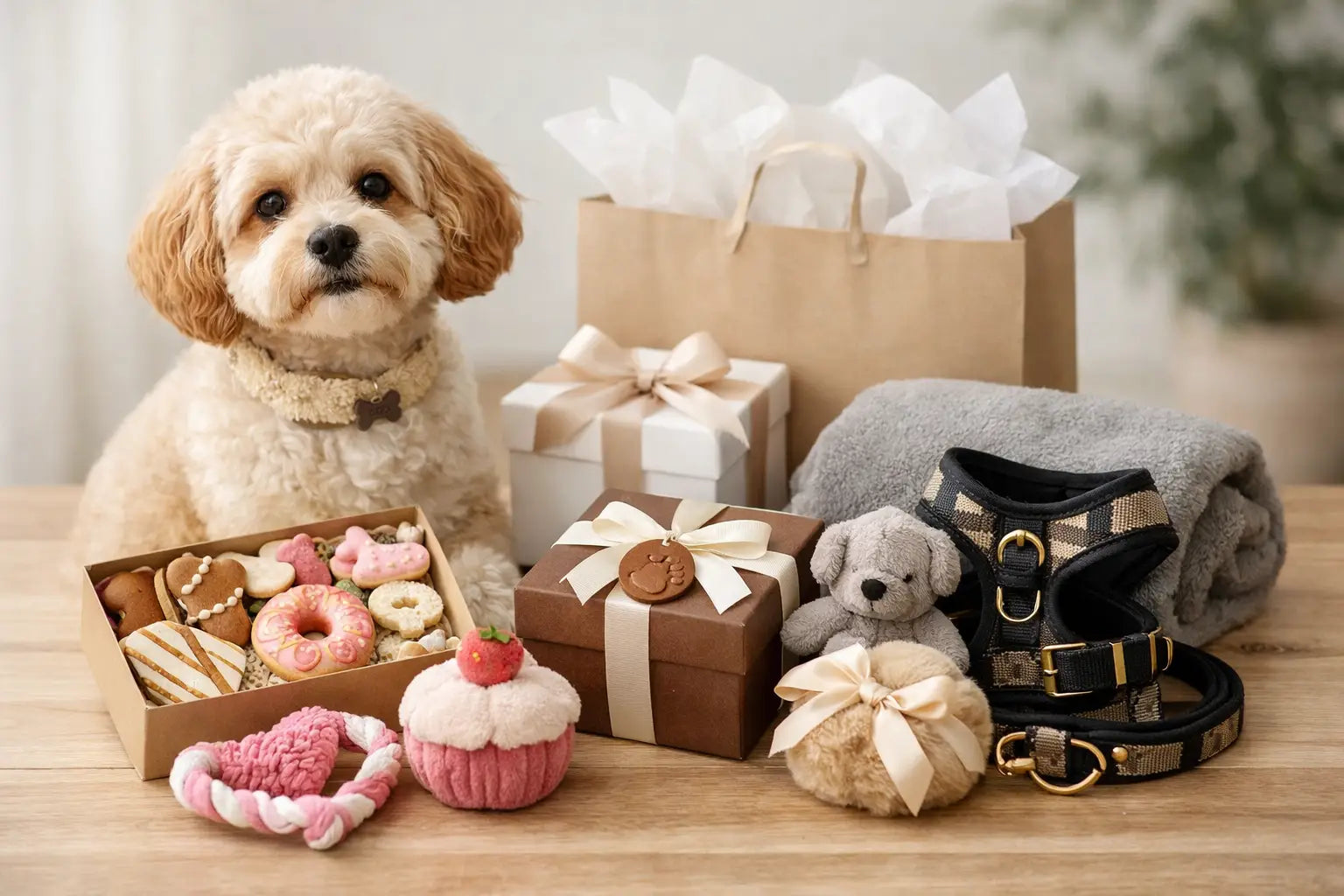
Dresses, bows, and special-occasion outfits are more about detail, but they still need real-world comfort. Look for a secure chest fit, smooth seams, and embellishments placed away from areas your dog can chew. A beautiful party look should allow your pup to greet guests, enjoy a treat, and curl up beside you without needing a wardrobe rescue every ten minutes.
Pajamas and recovery-style shirts deserve extra care around the legs and belly. These are often worn for longer periods, so breathable fabric and a nonrestrictive fit matter even more. Check your dog regularly for rubbing, heat buildup, or dampness, particularly if they are wearing a layer while resting.
Consider Coat Type, Weather, and Your Dog’s Routine
The right size is only part of the fit story. Your dog’s coat and lifestyle should influence what they wear and when. A small, short-haired dog may genuinely appreciate a warm coat during a cold-weather walk. A thick-coated dog may only need a light layer for a photo, a breezy evening, or a special occasion.
Avoid heavy apparel in warm or humid conditions. Dogs cool themselves differently than people do, and overheating can happen quickly. Choose breathable materials, keep wear periods short, and always offer water and shade when temperatures rise. If your pup is panting heavily, seeking cool surfaces, or acting restless, remove the layer right away.
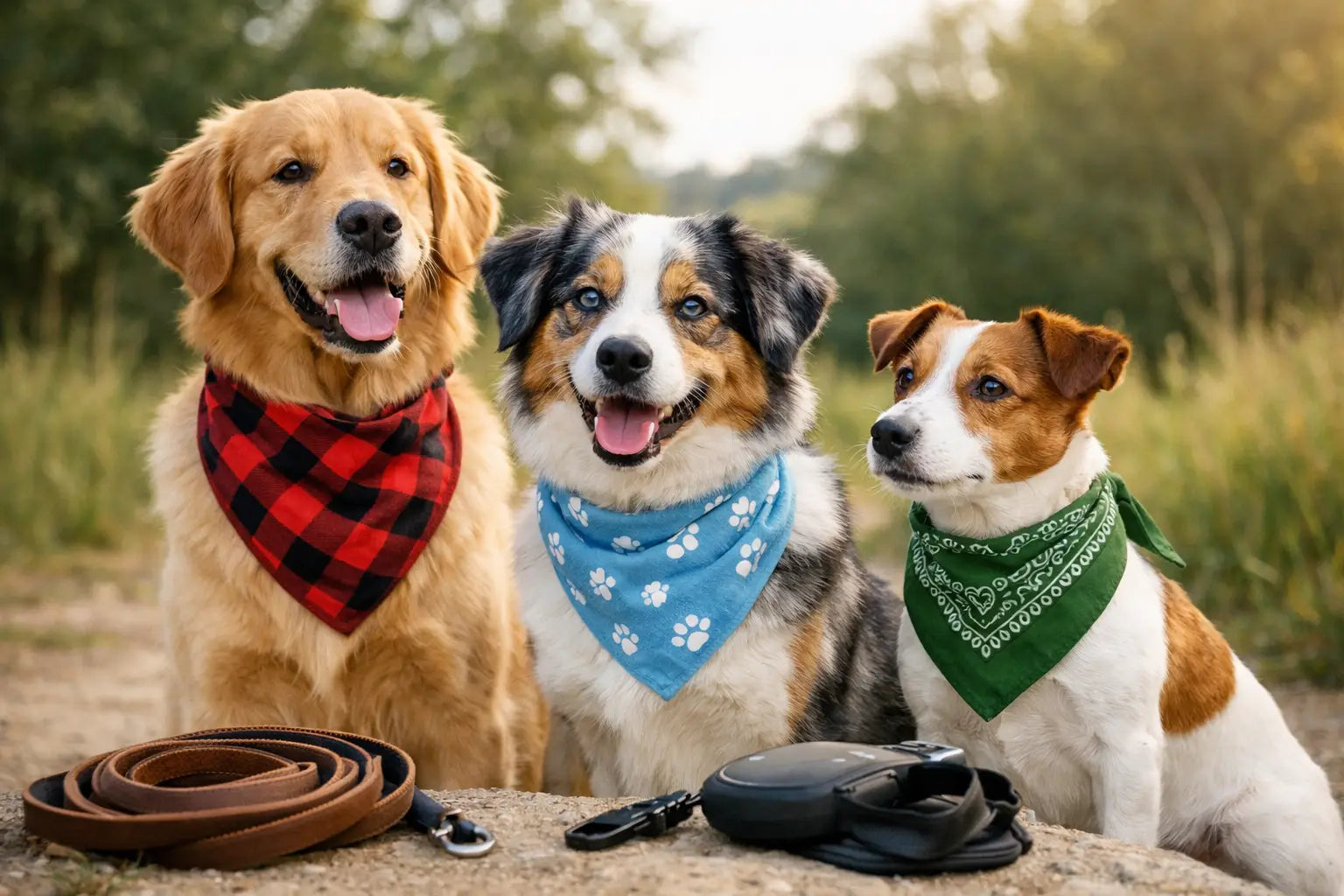
Think about the day ahead, too. A ruffled birthday outfit may be perfect for photos and cake, but a simpler tee or bandana may be the better choice for a long walk or a trip to the park. There is no prize for keeping an outfit on longer than your dog enjoys it. The most elevated look is one that suits the moment and keeps your best friend happy.
Help Your Dog Feel Good Wearing Clothes
For dogs new to apparel, introduce one piece at a time. Begin with a soft, lightweight item and let your dog wear it for just a few minutes indoors. Pair the experience with praise, a favorite toy, or a high-value treat. Gradually build up the time as your pup becomes comfortable.
Try not to chase your dog around the house or force their head through a tight opening. If a style makes dressing stressful, it may not be the right silhouette for your dog, no matter how adorable it is. Front closures and adjustable designs can be especially helpful for pups who dislike clothing pulled over their heads.
A little seasonal wardrobe planning can make getting dressed feel easy rather than fussy. Keep everyday layers practical, save delicate pieces for moments when you can supervise, and wash apparel according to its care instructions so the fabric stays soft and shape-friendly. The goal is not to turn your dog into someone they are not. It is to celebrate who they already are with comfortable pieces that feel as special as they look.
When the fit is right, dog apparel becomes more than a cute finishing touch. It is a small, joyful way to keep your pup cozy, capture a memory, and let their one-of-a-kind personality shine.