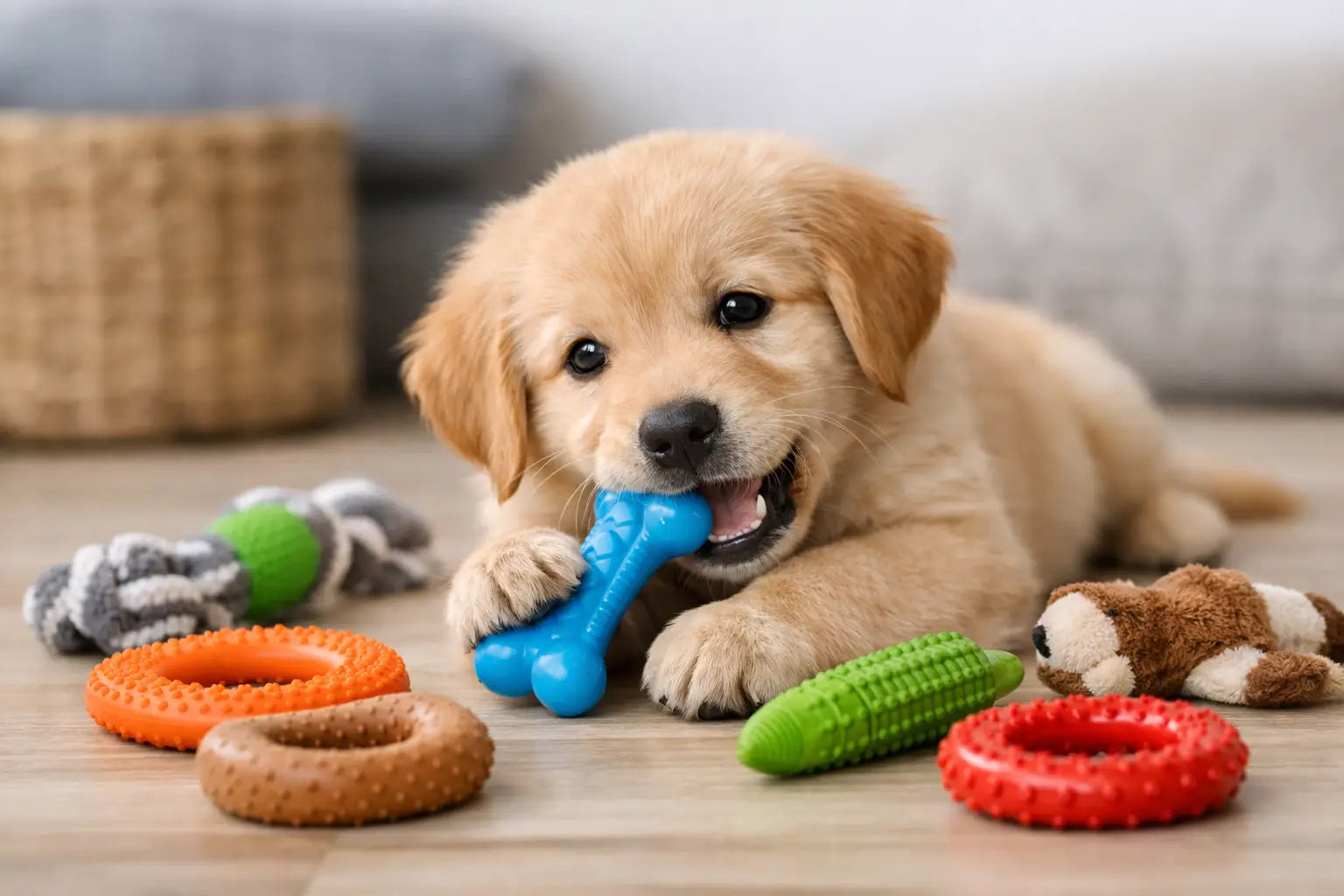
11 Best Puppy Teething Toys to Try
If your puppy has suddenly decided that chair legs, sneaker laces, and your favorite throw blanket are all fair game, teething is probably in full swing. The best puppy teething toys can make a real difference here - not just for saving your home, but for giving your little one relief during a stage that can be uncomfortable, messy, and surprisingly intense.
Puppies usually start teething around 3 to 4 months and continue until about 6 to 7 months, though timing varies a bit by breed and individual pup. During that window, chewing is more than a bad habit. It is how they soothe sore gums, explore textures, and work through the discomfort of incoming adult teeth. A good teething toy gives them an appropriate outlet. A great one does that while holding up to enthusiastic puppy energy.
What makes the best puppy teething toys?
Not every cute toy on the shelf is ideal for a teething puppy. Some are too hard, some are too flimsy, and some are better suited for adult dogs with fully developed jaws. When you are shopping for teething toys, the sweet spot is usually a toy that feels durable but still has some give.
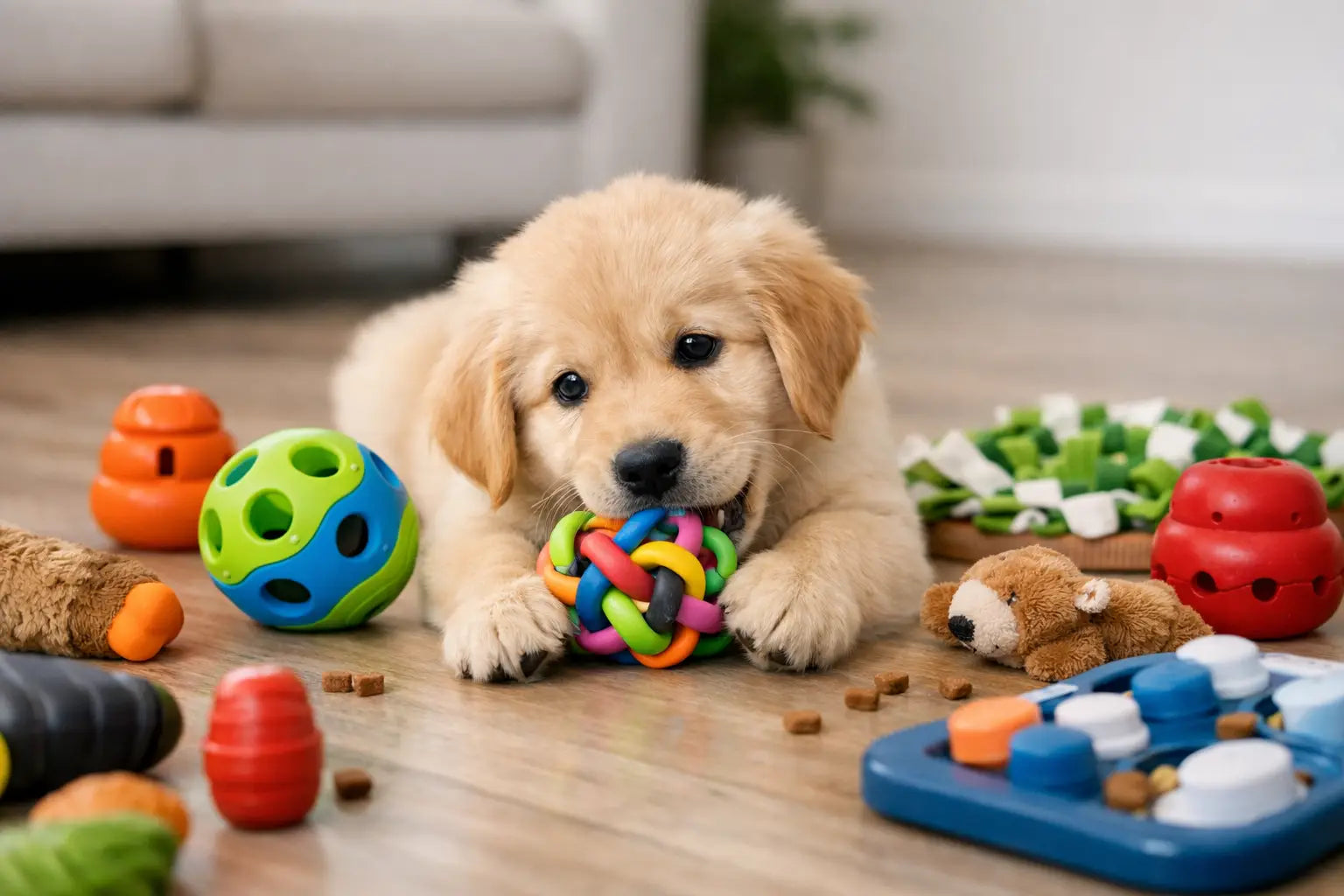
Soft rubber is often a favorite because it is gentle on sore gums while still satisfying to chew. Textured surfaces can help massage the gums, and toys that can be lightly chilled may offer extra comfort. Size matters too. A toy should be large enough that your puppy cannot swallow it, but not so bulky that they lose interest or struggle to carry it.
The other thing that matters is your puppy's chewing style. Some pups nibble. Others attack a toy like it personally offended them. That is why there is no single best choice for every dog mom and every puppy. The best option depends on age, breed size, jaw strength, and whether your pup prefers chewing, licking, tugging, or chasing.
11 best puppy teething toys worth considering
1. Soft rubber chew toys
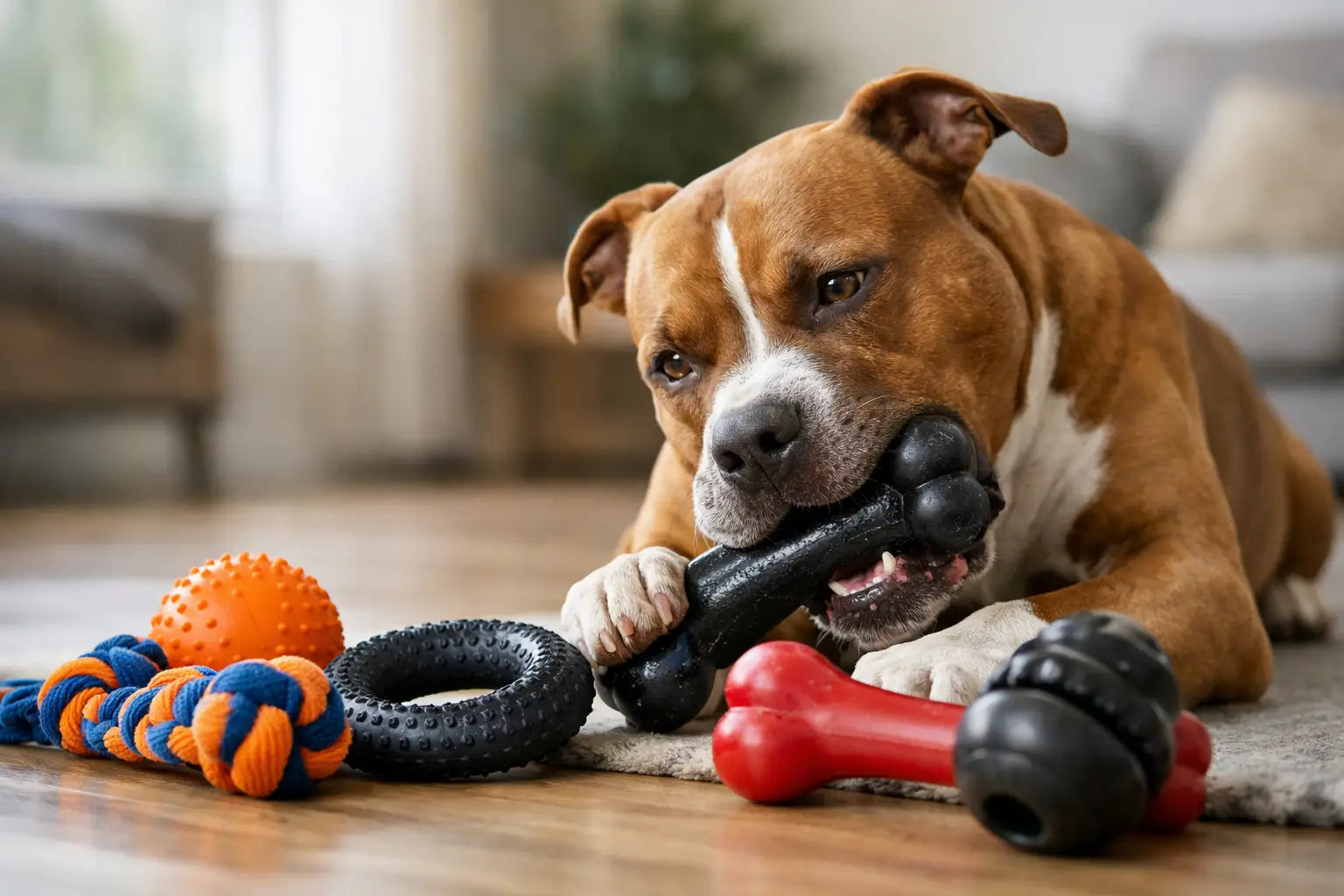
This is the classic starting point for a reason. A well-made soft rubber chew toy is usually the most reliable everyday option for teething puppies. It has enough bounce and give to feel soothing, and many puppies keep coming back to it because it is easy to grip.
Look for one made specifically for puppies rather than an adult power-chewer version. If it feels rock hard in your hand, it is probably too much for tender gums.
2. Freezable teething toys
A chilled toy can be a little luxury for a puppy with especially sore gums. These toys are typically designed to go in the freezer for a short period, then come out cool rather than icy-hard. The cooling effect can calm inflammation and make chewing feel more comforting.
This category is especially helpful during the peak teething months, but there is a trade-off. Some freezable toys are less durable than standard rubber options, so they may need closer supervision.
3. Rope toys made for puppies
A puppy-safe rope toy can work well for gentle chewers and pups who love interactive play. The fibers create a different texture that some puppies really enjoy, and a little game of tug can redirect attention from your sleeves and shoelaces.
That said, rope toys are not the right choice for every puppy. If your little one shreds fabric quickly or swallows strings, skip this category or use it only when you are actively watching.
4. Teething rings
Teething rings are easy for small mouths to carry, hold, and chew from different angles. They are especially nice for younger puppies who seem overwhelmed by larger toys. Many have ridges or soft nubs that gently massage the gums.
These are often a great first teething toy, though strong chewers may outgrow them fairly quickly.
5. Treat-dispensing puppy toys
If your puppy loses interest in toys after two minutes, a treat-dispensing option can help. The chewing itself feels good, and the reward keeps them engaged longer. This can be especially useful when you need a few calm minutes while working, getting ready, or enjoying a warm cup of coffee for once.
Choose puppy-safe treats and keep portions in mind. A toy that comforts and enriches is lovely. A toy that quietly turns into over-snacking is less ideal.
6. Lickable teething toys
Some puppies do as much licking as chewing when their gums are irritated. Toys with grooves or shallow patterns that hold soft treats can be a smart choice. The licking can feel calming, and the soft texture is a gentler alternative on more sensitive days.
For puppies who seem cranky during teething, this can be a sweet middle ground between comfort and enrichment.
7. Plush toys with reinforced details
Plush toys are not usually the first thing people think of for teething, but some puppies adore them. A soft toy with reinforced seams, minimal stuffing, and no easy-to-remove parts can offer comfort, especially for pups who like to cuddle and chew at the same time.
This is not the most durable option, and it is definitely not for every chewer. But for gentle puppies, a plush toy can become a favorite comfort item during teething.
8. Textured rubber balls
A textured ball gives you two benefits in one: soothing chewing and playful movement. If your puppy likes to chase, pounce, and then settle in for a chew session, this style often keeps them interested longer than a stationary toy.
Just make sure the texture is soft enough for puppy gums. Some balls marketed as durable can be too firm for this stage.
9. Crinkle toys for sensory engagement
Some puppies are motivated by sound as much as texture. A crinkle toy can hold attention beautifully, especially if your pup gets bored easily and starts looking for household items to entertain themselves. The noise adds novelty, which can make the toy more exciting than a plain chew.
Still, this works best for light chewers. Once a puppy starts tearing into fabric, anything with internal material needs careful monitoring.
10. Puppy chew sticks made from safer, gentler materials
There are puppy-specific chew sticks made from softer materials than traditional hard chews. These can satisfy that natural urge to gnaw while being more forgiving on new teeth and sore gums.
This category takes a bit more label reading. You want something digestible or very clearly intended for supervised puppy use, not an extra-hard chew that belongs in the adult dog section.
11. Multi-texture toys
If your puppy seems picky one day and obsessed the next, a multi-texture toy can be a lifesaver. These combine different surfaces like rubber, soft fabric, ridges, or nubs to keep chewing interesting. They are especially helpful for puppies who are still figuring out what they like.
For many pet parents, this ends up being the most practical choice because it covers more than one need at once.
How to choose the best puppy teething toys for your dog
Start with your puppy's size and age. A toy that works beautifully for a tiny 10-week-old Cavapoo may be laughably small for a 5-month-old Lab mix. Younger puppies often need softer, easier-to-carry options, while older teething puppies may want something a little sturdier.
Then think about chewing intensity. If your puppy destroys plush toys in minutes, lean toward puppy-grade rubber and supervised enrichment toys. If your pup is gentle and comfort-driven, a softer toy may get far more love. There is no prize for picking the toughest toy if your puppy ignores it.
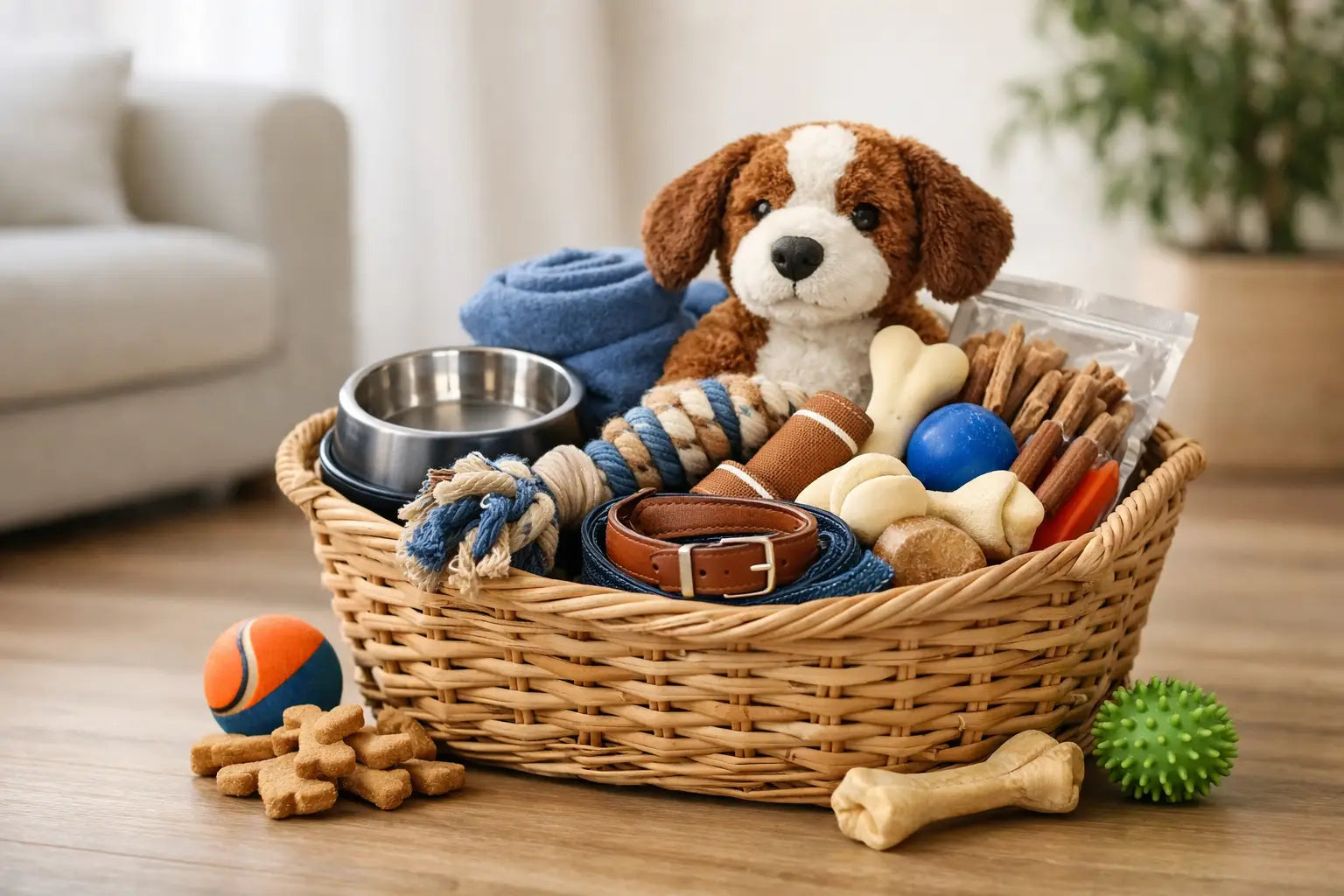
It also helps to rotate toys instead of leaving everything out at once. A small, curated toy selection often works better than a giant basket of options. It keeps things interesting and lets you notice what your puppy truly prefers.
A few teething toy safety notes that matter
Always inspect toys regularly. Puppy teeth are sharp, and determined little chewers can do more damage than you would think. If a toy is cracking, shedding pieces, or losing stitching, it is time to retire it.
Avoid anything too hard to press with your fingernail. That is a simple test, but a useful one. During teething, overly hard toys can risk damaging developing teeth rather than helping them.
Supervision matters most with plush, rope, treat-filled, or fabric-based toys. Even the cutest boutique find should still be practical and safe. Style is lovely, but comfort and function come first when tiny teeth are involved.
When teething toys are not enough
Sometimes a puppy who is chewing nonstop is not just teething. They may be overtired, under-stimulated, or looking for attention. If you are offering good teething toys and your puppy is still fixated on chewing everything in sight, look at the bigger picture. More naps, short training sessions, sniff walks, and gentle enrichment can all help.
And if you notice bleeding gums, broken teeth, a sudden refusal to eat, or pain that seems beyond normal teething fussiness, check in with your veterinarian. A little discomfort is expected. Ongoing distress is worth a closer look.
For dog moms who want their homes to feel beautiful and their puppies to feel deeply cared for, the right toy really can do both. Thoughtful choices make teething easier, calmer, and a lot less destructive - and that means more time enjoying the sweet puppy stage, even with all those tiny teeth.